01 · Parenting / neurodiversity
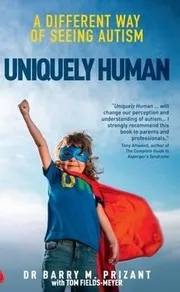
Barry M. Prizant, PhD
A humane, strengths-based framework that treats autistic behavior as meaningful communication rather than something to suppress.
Best for: Parents, educators, clinicians, and allies
02 · History / neurodiversity
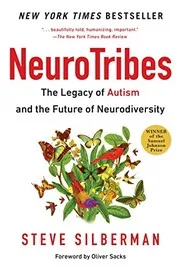
Steve Silberman
A substantial history of autism diagnosis, advocacy, and the neurodiversity movement. Useful context rather than a day-to-day manual.
Best for: Adults, parents, educators, and history readers
03 · Identity / self-understanding
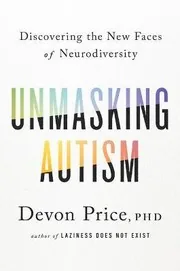
Devon Price, PhD
Explores masking, late identification, intersectionality, and self-acceptance. It is a reflection and starting point, not a diagnostic tool.
Best for: Autistic teens and adults, late-identified people, and allies
04 · Autistic advocacy
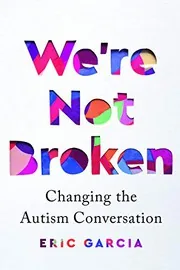
Eric Garcia
An accessible critique of harmful stereotypes and policy failures from an autistic journalist. Strong on rights and representation.
Best for: Parents, policymakers, educators, and general readers
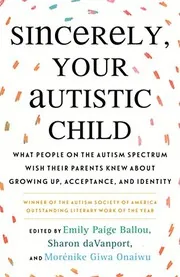
05 · Parenting / autistic perspectives
Edited by Emily Paige Ballou, Sharon daVanport, and Morénike Giwa Onaiwu
First-person essays from autistic contributors about acceptance, identity, communication, and adulthood.
Best for: Parents and caregivers
06 · Communication / autistic perspective
Naoki Higashida
A landmark question-and-answer book offering one nonspeaking autistic author’s perspective. It should not be treated as universal.
Best for: Parents, educators, and older children or teens
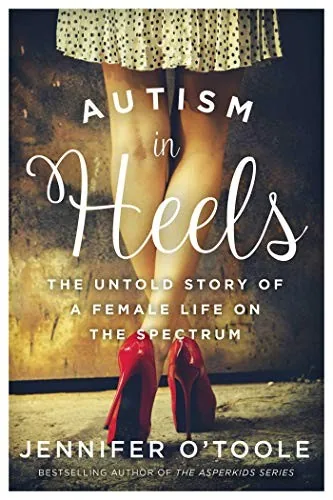
07 · Autistic women / memoir
Jennifer O’Toole
A personal account of masking, social expectations, diagnosis, and adulthood that broadens male-centered autism narratives.
Best for: Autistic women and girls, late-identified adults, and families
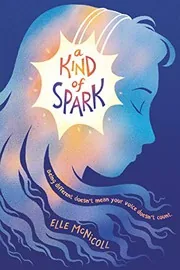
08 · Children’s fiction
Elle McNicoll
A compelling novel with a complex autistic girl protagonist who advocates for recognition and justice.
Best for: Middle-grade readers, roughly ages 8–12
09 · Children’s fiction
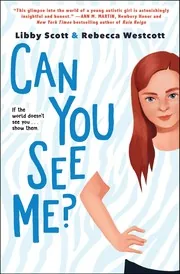
Libby Scott and Rebecca Westcott
A diary-style novel co-created with autistic author Libby Scott, covering school, friendship, sensory overload, and masking.
Best for: Middle-grade readers, parents, and educators
10 · Children’s fiction / siblings
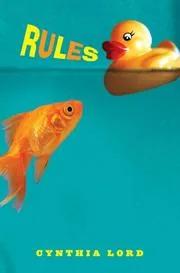
Cynthia Lord
A thoughtful sibling story. Because it is told by a non-autistic sibling, pair it with books by autistic authors.
Best for: Middle-grade readers, families, and classrooms
11 · Children’s picture book
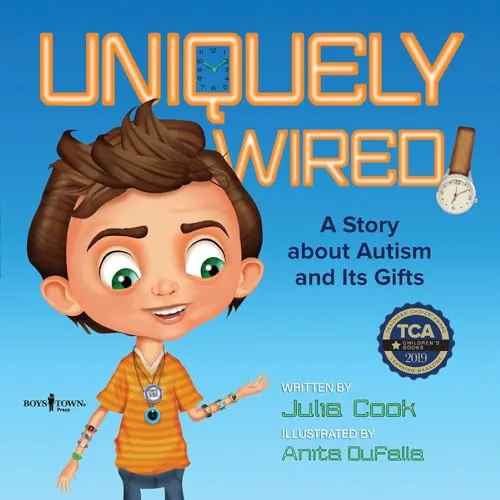
Julia Cook
A gentle introduction to autism and individual strengths. Use it to open conversation rather than suggest every autistic child is alike.
Best for: Young children, families, and elementary classrooms
12 · AAC / nonspeaking communication
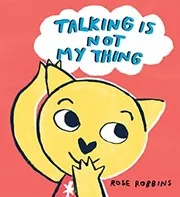
Rose Robbins
Centers a nonspeaking child who communicates in other ways and reinforces that speech is not the measure of intelligence or connection.
Best for: Children, families, teachers, and communication professionals
13 · Sensory processing
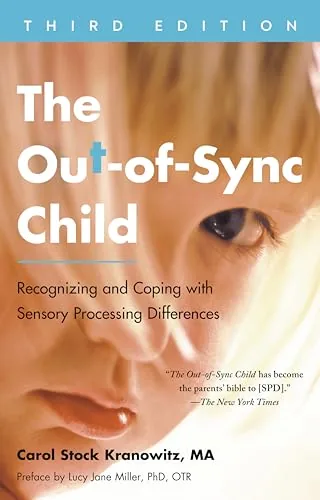
Carol Kranowitz
A practical introduction to sensory processing differences. It predates some current language, so use it for accommodations rather than deficit framing.
Best for: Parents, teachers, and caregivers
14 · Parenting / practical understanding
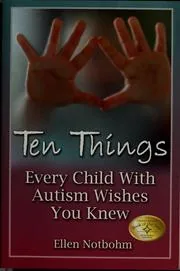
Ellen Notbohm
A concise guide encouraging adults to interpret behavior in context and see the child beyond the diagnosis.
Best for: Parents, teachers, relatives, and support workers
15 · Science / lived experience
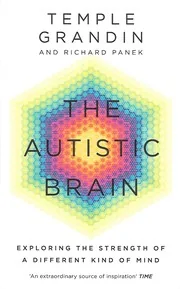
Temple Grandin and Richard Panek
Combines lived experience with an overview of autism research. Grandin’s profile is valuable but not representative of every autistic person.
Best for: Autistic teens/adults, parents, educators, and general readers